Interview: Frank Bunnik – Convention Organiser

Klik hier om naar het Nederlandse interview te gaan

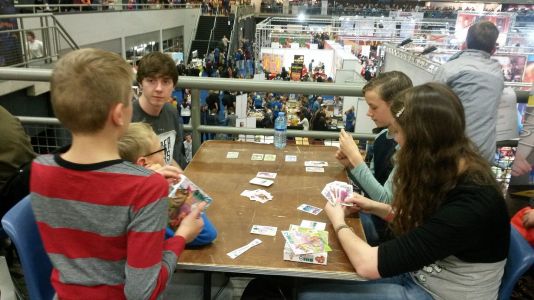
0Welcome to another interview with a professional within the tabletop industry. Here you can find the previous editions. This time we speak with Frank Bunnik, organiser of the yearly ‘Spellenspektakel’ (roughy meaning Games’ Spectacle), the largest tabletop gaming conventing in the Netherlands. In 2018 during the 25th edition the convention attracted more than 11.000 visitors during the 2 weekend days.

How are you active in the industry? Is this convention your only focus or do you do more?

Besides organising the Spellenspektakel I also support organising Castlefest. That is the largest Fantasy Event in the world, with over 40.000 visitors, a festival campsite, 3 stages filled with music and lots of Medieval styled food and drinks.

Screenshot 2019-07-27 at 22.01.40

What is most interesting and fun about your work?

The puzzling to create the most awesome event together with all participants. Publishers naturally all want the optimal spot and have many questions on creating their stand. Many of them are present with a booth on conventions only once or a few times per year, without a fixed demonstration team. Luckily, they are supported by the game association Roll the Dice of which members often jump in to be a demonstrator. 

Except arranging everything with the participants, we also spend a lot of effort on promotion. It is always nice to find new ways to bring the convention to people’s attention. Especially now that we will move to a new city!

Can you tell some more about the Spellenspektakel convention?

The convention was founded by Michael Bruinsma owner of 999 Games, on the balcony of Beursgebouw Eindhoven. It quickly grew to a large event that attracted international publishers as well. With the succes of Catan the amount of visitors increased vastly. Then the ‘IJsselhallen’ venue in Zwolle bought up the event. There, after 3 years the amount of visitors dropped by so much that they decided to stop organising the event and returned it to 999 Games. There the concept was shelved until we proposed to breath new life into it, at the original first location Eindhoven.

Now in Eindhoven, where we are at maximum capacity of publishers and visitors we we can handle, the location will be shut down end of 2019. Due to the risen popularity of tabletop gaming we have chosen a new venue location with the potential to grow: the ‘Jaarbeurs’ in Utrecht. Sadly we will probably lose some amount of visitors from further down south, but I have faith there will be much more people in and around Utrecht that will honour us with a visit. Perhaps for the first time.

What is your background? 

Without a degree in event management I started working at Castlefest. However I during this work there I accumulated a lot of experience in organising and marketing. In the beginning I worked together with 1 other colleague and we organised everything together. Now I am part of a much bigger team and the tasks are more clearly defined. No longer am I employed but I am an independent contractor being hired.

With the ‘Spellenspektakel’ I have the opportunity to arrange the event from beginning to end and offer the best possible experience for visitors.What makes this extra enjoyable is that I visited the convention when I was young, scouting for fun games and being invested in Magic and Warhammer. I remember the variety of the convention made it special and that is what I try to arrange these days as much as possible.

Which knowledge and skills are of good use in your work?

You have to be flexible and can stand stress. As good as you plan matters, some things will happen differently than expected. Other than that it helps to be good with people and sense well what they expect of your event. Whether they are commercially focussed publishers or the visitors who want to have a day in which they want try out all kinds of games.

What advice do you have for someone who wants to design games?

I never designed of published games myself, but I have sen many successful project from nearby. Some seek connection with a familiar publisher or distributor, making sure there is a connection to toy and game stores. Another good way is to crowdfund on for example Kickstarter. The advantage of that being you only invest the most cash if your game als ‘sold’ a bunch. That does mean you need to get a lot of interest and commitment, which can be a tough challenge.

Either way, I would recommend every designer and publisher to be to hire a stand or table at our convention. It offers a good reach within the Netherlands! 🙂

How do you see the market evolving?

With the bankruptcy of Intertoys a lot of ‘offline’ sales points are lost. However most tabletop games specialty store do well! They seem offer enough service to non expert consumer to be of added value compare to internet stores. If you want to buy a fun game, but have no idea what you will like, good advice of store employees makes a difference between a bad buy or finding a new favorite game.

For expert gamers Kickstarter is an excellent addition to the generic games offered on internet stores. I hope to see many more interesting titles on that platform and I don’t see it getting less in the near future.

Which games are your favorite?

Despite my work, or due to it, I hardly have the time to play games. I usually play games I already know (such as Roborally) and try out a few games after the convention. Sadly, most new games are still in shrink-wrap…

Screenshot 2019-07-27 at 22.11.24

When is the next edition of the ‘Spellenspektakel’? And will there be another Author-plaza?

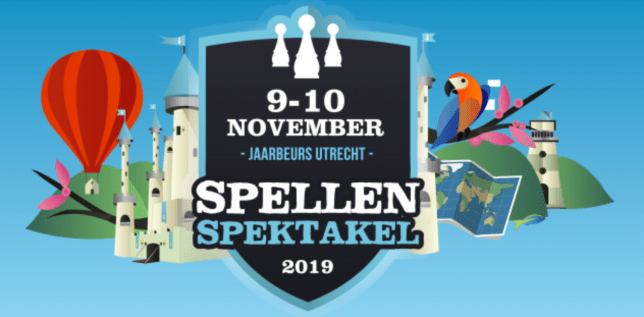
Saturday 9 & Sunday 10 November 2019 in the ‘Jaarbeurs’ in Utrecht! And I hope you will be present again, haha!

That is the plan! We really appreciate the possibility for designers to pitch and demonstrate their concepts during the convention (see here for an impression of last year 2018)Frank thank you for your time!


Interview Frank Bunnik (NL)

0Welkom bij weer een interview met iemand uit de bordspel-industrie. Hier kun je de voorgaande interviews vinden. Ditmaal spreken we met Frank Bunnik, organisator van het jaarlijkse Spellenspektakel, de grootste spellenbeurs in Nederland. In 2018 was de 25e editie en werd de beurs tijdens de twee dagen door ruim 11.000 bezoekers bezocht.

Hoe ben je actief in de industrie? Is het Spellenspektakel je enige werk of doe je er ook wat naast?

Naast het organiseren van het Spellenspektakel help ik ook mee met het organiseren van Castlefest. Dat is het grootste Fantasy evenement ter wereld, met ruim 40.000 bezoekers, een festivalcamping, 3 podia vol muziek en heel veel lekker eten in Middeleeuwse stijl.

Screenshot 2019-07-27 at 22.01.40

Wat vindt je het meest interessant en leuk aan je werk?

Het gepuzzel om samen met alle deelnemers een zo goed mogelijk evenement neer te zetten. De uitgevers willen natuurlijk een zo goed mogelijke plek en hebben soms veel vragen over het opzetten van hun stand. Veel van hen doen maar één keer of een paar keer per jaar mee aan beurs en hebben geen vast demoteam. Gelukkig krijgen ze hierbij ook veel hulp van de spellenvereniging Roll the Dice waarvan de leden vaak bijspringen als demonstrateur.

Behalve met het inschrijven van de deelnemers, zijn we ook veel tijd kwijt aan promotie. Het is altijd leuk om nieuwe manieren te vinden om het Spellenspektakel bij mensen onder de aandacht te brengen, zeker nu we naar een nieuwe stad verhuizen!

Kun je wat meer vertellen over het Spellenspektakel?

Het Spellenspektakel is ooit gestart door Michael Bruinsma van 999 Games, op het balkon van Beursgebouw Eindhoven. Het groeide al snel uit tot een groot evenement waar ook de buitenlandse uitgevers naartoe kwamen. Met het succes van Catan groeide het aantal bezoekers enorm, totdat de IJsselhallen in Zwolle het evenement overkocht. Na drie jaar waren de bezoekersaantallen zodanig gedaald dat ze ermee zijn gestopt en het terug gaven aan 999 Games. Daar bleef het vervolgens op de plank liggen totdat we voorstelden om de beurs weer nieuw leven in te blazen, op de originele plek in Eindhoven.

Nu we in Eindhoven op de maximale capaciteit zaten (zowel wat betreft het aantal bezoekers, als de uitgevers), bleek dat het Beursgebouw eind 2019 gaat sluiten. Aangezien bordspellen weer ongekend populair zijn, hebben we gekozen voor een plek waar het Spellenspektakel verder kan groeien: de Jaarbeurs in Utrecht. We zullen helaas wat bezoekers uit het zuiden kwijtraken, maar ik heb er vertrouwen in dat er veel mensen in en om Utrecht wonen die ons dit jaar (misschien wel voor het eerst) gaan vereren met een bezoek.

Wat is je verdere achtergrond?

Ik ben zonder evenementenopleiding bij Castlefest aan het werk gegaan, maar ik heb tijdens mijn werk daar veel organisatie- en marketingervaring opgedaan. In het begin werkte ik samen met één collega en organiseerden we alles samen, nu ben ik onderdeel van een veel groter team en zijn de taken duidelijk verdeeld. Ik werk nu ook niet meer in loondienst, maar als ZZPer vanuit mijn eigen bedrijf. Bij het Spellenspektakel heb ik de gelegenheid om het hele evenement van begin tot eind vorm te geven en de bezoekers een zo leuk mogelijke dag te bezorgen.

Wat het extra leuk maakt is dat ik vroeger al als puber over de beurs liep, op zoek naar een leuk spel of bezig met Magic of Warhammer. Ik weet nog goed dat de verscheidenheid aan spellen die beurs zo leuk maakte en dat probeer ik nu ook zo goed mogelijk te realiseren.

Welke kennis of vaardigheden zijn je nu van nut?

Je moet flexibel zijn en goed tegen stress kunnen. Want hoe goed je alles ook plant, het loopt toch anders dan verwacht. Daarnaast helpt het als je goed met mensen kan omgaan en goed kan inschatten wat ze van je evenement verwachten. Of dat nu de commerciële uitgevers zijn of de mensen die gewoon een dag lang alle bordspellen willen proberen.

Welk advies heb je voor iemand die ook een spel wilt ontwerpen? 

Ik heb zelf nooit een spel ontworpen of uitgegeven, maar ik zie veel succesvolle projecten voorbij komen. Sommige zoeken aansluiting bij een bekende uitgever of distributeur, daarmee is de weg naar de speelgoed- of spellenwinkel heel wat makkelijker. Maar er zijn ook erg veel goede spellen die bijvoorbeeld via Kickstarter worden uitgebracht. Het grote voordeel daarvan is dat je pas grote bedragen hoeft te investeren als je spel al is ‘verkocht’, maar je moeten dan wel voldoende mensen mee zien te krijgen. Dat laatste kan soms een behoorlijke uitdaging zijn.

Sowieso zou ik iedereen met een tof idee aanraden om gewoon een standje of een demotafel te huren op het Spellenspektakel, dan bereik je heel spelend Nederland in één keer! 🙂

Hoe zie jij de markt zich ontwikkelen?

Met het faillissement van Intertoys zijn er weer heel wat ‘offline’ verkooppunten weggevallen, daarentegen doen de meeste spellen speciaalzaken het prima! Zij hebben blijkbaar minder last van de internetwinkels, omdat ze nog wel de service verlenen die je als niet-kenner nodig hebt. Als je een leuk spel wil, maar je weet niet wat bij je past, dan maakt het advies van een goede winkel vaak het verschil tussen een miskoop of een leuke nieuwe ontdekking.

Voor de liefhebber is Kickstarter een fantastische aanvulling op het generieke aanbod van een Bol.com of andere internetshops. Ik hoop dat daar nog veel mooie titels vandaan gaan komen, voorlopig zie ik dat niet minder worden.

Welke spellen zijn jouw favoriet?

Ondanks (of misschien wel door) m’n werk kom ik helaas nauwelijks aan spelen toe! Ik speel vooral titels die ik al ken (zoals Roborally) en probeer na het Spellenspektakel altijd een paar nieuwe spellen te proberen. Helaas staat het meeste nog steeds in het plastic in de kast…

Screenshot 2019-07-27 at 22.11.24

Wanneer is de volgende editie Spellenspektakel? En is er weer een Auteursplein?

Zaterdag 9 & zondag 10 november 2019 in de Jaarbeurs in Utrecht! En ik hoop dat jullie er weer bij zijn, haha. Wat mij betreft wel!

Dat is wel het plan! Super dat auteurs voor een schappelijke prijs hun spel (concept) kunnen demonstreren op het auteursplein (zie hier de impressie van 2018)Frank bedankt voor je tijd!


Interview & translation Arjan van Houwelingen

Photo’s: Frank Bunnik, Spellenspektakel

Ede Tabletop Testing Night – 10 September

De eerste spellen-test-avond in Ede is op dinsdag 10 september. Breng je spelconcept mee of kom als tester een spelletje spelen. Hieronder vind je meer informatie en kun je je aanmelden.


The first Tabletop Testing Night in Ede is on Tuesday 10 September. Bring your game concept or come play as a tester. Below you will find more information and you can register.

1450734_173256569545480_1478572588_n

Groningen Tabletop Testing – 6 September

logo 2016 spellenmaakgilde finalDe zomerperiode komt tot een einde, tijd dat we weer gaan speltesten! Vrijdag 6 september is de eerstvolgende testavond in Groningen (Ede en Leeuwarden kan je binnenkort ook heen!). Hieronder kun je meer lezen en je aanmelden:


The summer period is coming to an end, time to start playtesting again! Friday 6 September is the next tabletop testing event in Groningen (Ede & Leeuwarden are also options in the coming weeks!). Below you find all the information and you can sign up:

Spellenmaakgilde Midden Nederland van start!

Hoewel voor velen de zomervakantie een tijd van inactiviteit is, is er in Ede en omgeving hard gewerkt aan de oprichting van Spellenmaakgilde Midden Nederland. De spellenmakers van Trinamic (Niek, Timon en Bart) hebben besloten om zich samen hun zeer gewaardeerde demoteam (Ellen, Dónal en Jeroen) en enkele andere enthousiastelingen, aan te sluiten bij de Gilde, om zo de krachten te bundelen. Vanaf september starten er spel-test-avonden in Ede. Elke maand wordt er de gelegenheid geboden om nieuwe spelconcepten te (laten) testen. Niek, één van de spellenmakers die aan de wieg stond van Trinamic, vertelt graag waarom Trinamic voor de Spellenmaakgilde heeft gekozen.

1450734_173256569545480_1478572588_n

De start van Spellenmaakgilde Midden Nederland kent een lange voorgeschiedenis. Samen met toenmalig huisgenoot (inmiddels zwager) Timon raakte ik vanaf het jaar 2007 vaak verzeild in eindeloze nachtelijke discussies over wie het potje RISK had gewonnen als die slag bij Groenland anders was gelopen. Beter gezegd, als de dobbelstenen ‘gewoon’ statistisch gezien deden wat ze moesten doen. “Geluk dwing je af”, was één van mijn uitspraken waar Timon niet zoveel mee kon. Maar daar hield ik nu juist wel van: van heroïsche gevechten. Soms tegen beter weten in, om het lot te keren. Maar toegegeven, de geluksfactor in RISK was wel erg groot. Net als bij Catan trouwens, maar waarom zijn die spellen dan zo’n succes geworden? Een successpel maken, zouden wij dat ook kunnen? Het eerste spel van Niek en Timon werd geboren: Charbona. Een strategisch bordspel waarbij aspecten van RISK en Catan terug te vinden zijn, maar dan met verrassende nieuwe spelmechanismen die de geluksfactor tot een minimum beperken.

23467030_755338958003902_458642983400544170_o

Het ontwikkelen/ verfijnen van dit spel heeft jaren in beslag genomen en we zijn ons gaandeweg gaan oriënteren op het maken van kleine kaartspellen waar inmiddels wat ideeën voor ontstonden. Op een spellenbeurs van Ducosim in Amersfoort werd één van onze kaartspellen, ‘Royals & Rebels’, ‘ontdekt’ door PlaythisOne, een uitgever die later door zou gaan als Pumpkin Games. Vanaf dat moment hebben we maar weinig spellenbeurzen in Amersfoort gemist. Ook komen we sindsdien met enige regelmaat in Gouda tijdens de Goudse spellendagen. In de jaren die volgen ontstaat er een heus demoteam en als Bart als één van de leden met een goed concept aan komt, worden ‘Niek & Timon’ uitgebreid tot ‘Trinamic’.

Het is inmiddels 2018 als het maken van spellen niet alleen meer wordt gedaan door Niek, Timon en Bart. Ook Dónal, één van de testers kwam met een leuk spelconcept. Het spellenmaak-virus bleek besmettelijk. We merkten dat het belangrijk is om tijd te nemen voor het testen en verfijnen van nieuwe spelconcepten. Vreemde ogen, verschillende mensen, met een frisse feedback, zijn zeer belangrijk voor het verbeteren van een eigengemaakt spel. Het structureel plannen van spellenavonden was echter nog een hele uitdaging.

Overhead shot of office desktop

In de maand Juli van het jaar 2019 hebben Niek en Timon een maand lang elke vrijdag een spel getest (Geheime Dienst) dat in oktober uitkomt bij NEEMA Games. Omdat het een groepsspel voor meer dan 10 spelers betreft, hebben we steeds een groep van meer dan 10 spelers bij elkaar gekregen om het spel te testen. Het bleek een succes. Er kwamen verschillende mensen, met elk een eigen smaak en dus ook weer met hele andere feedback. Deze positieve ervaringen willen we graag vasthouden en uitbouwen. Ook vinden wij het fijn om andere spellenmakers te leren kennen en de kans te geven om hun spelconcepten te laten testen door ‘vreemden’. Het platform ‘Spellenmaakgilde’ is daarbij volgens ons zeer ondersteunend en we sluiten ons graag aan om de krachten te bundelen.

Arjan van Houwelingen hebben wij leren kennen via Patrick Zuidhof, de baas van Pumpkin Games. Het spel ‘Tricky Dungeon’ van Arjan en ‘Dino Battle’ van Niek en Timon kwamen tegelijkertijd uit bij deze uitgever. We zijn blij dat Arjan ons nu op weg wil helpen om van start te gaan met de Spellenmaakgilde in het midden van het land.

file-5b5f1be0dc090

De eerste data voor de spellenavonden van Spellenmaakgilde Midden Nederland zijn gepland op 10 september, 11 oktober, 12 november en 13 december.
De avonden zijn van half 8 tot half 11 op het adres Hegelstate 17 in Ede. Mogelijk zullen er vanaf 2020 ook avonden plaatsvinden in Amersfoort, als er een geschikte locatie is gevonden. Woon jij in het midden van het land en lijkt het je leuk om jouw spel te laten testen? Of houd jij van spellen spelen en wil jij ons helpen door nieuwe spellen te testen? Dan zien we jullie graag bij de spellenavonden in Ede!

UPDATE: de eerste testavond is aangekondigd, 10 september 2019

-Niek van den Brink

Interview: Dennis Merkx – Game Designer

Klik hier om naar het Nederlandse interview hieronder te gaan.
dennis imageIn our goal to shine a light on the tabletop game industry and their participants in the
Netherlands and more broadly Europe, we present you another interview. After our earlier sessions we now have a chat with game designer Dennis Merkx from the Netherlands (translated from Dutch):

How are you active in the tabletop game industry?

Actually, I have had many different roles in the last few years.

From 2011 to 2018 as a publisher, I was co-owner of Rielekst. Together with Kees Meis we started designing games en in this time span we published 4 games we created. At game conventions, such as Spiel Essen, we came into contact with many other designers, publishers and distributors. Thus, we met Thomas Weber who showed us an interesting abstract game.  However, being straight and supportive with him, we were a small publisher, so we referred him to Gerhards. Because that publisher makes really high-quality abstract games. A year later Thomas proudly showed his game. We were so convinced about the game we wanted to sell it in the Netherlands. Thus, we arranged to become the importer and distributor of many games by Gerhards.

Meanwhile we had created many designs by ourselves. Too much to focus on as publishers.  Kees and decided to contact other large publishers for publication and visited Neurenberg (more on this later). So, the last few years we changed focus to designing games as authors.

Another role is my cooperation with Ellis Hendriksen of Henmar Games. Designing and developing games together is a lot of fun. At Henmar Games I was involved with the execution of cute small abstract games in their “Take Away and Play” series and with the game ‘Zuiderfruit’, which was a present for visitors of the Zuiderspel game convention in 2018.

Als a product developer I have worked at Rielekst, Henmar Games and at Sunny Games. That last publisher has a few nice games about to be released in which I had a small contribution.

What do you find most interesting or fun about designing games?

Two aspects, namely the first and last phase of the process. Firstly, building the game up from nothing, testing and improving it. Create something out of an idea is wonderful.

Second, if the game is finally available in stores and demonstrating it at game conventions gives me great satisfaction. If I see others enjoying a game which started as nothing more than just an idea, I know it was a good idea.

What other background do you have?

In Boxtel at Sint Lucas I studied Advertisement, Presentation & Communication. I also did some years of studying Regional & Urban Planning at the NHTV in Breda. Due to being active as a city counsil member in Boxtel I was too busy to finish this study.

What prior knowledge, skill or expertise do you have that is useful for you as a designer? 

At Sint Lucas I have learned to use my creativity to develop products. In politics I have learned to have patience. Some of my ideas were executed 5 years after I already left the counsil. Creativity and patience are very important in the games industry.

What game that you designed are you most proud of?

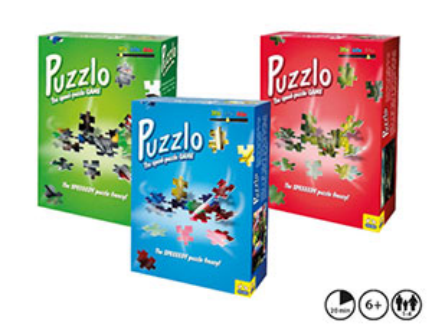
I cannot choose between Puzzlo and The Great Tour. Puzzlo I am proud of because this is my first game that was published by a big company in Finland. The Great Tour I have to mention because in 2018 it won the Dutch Toy of the Year public award. Both games I gladly place on the gaming table.
puzzlo image

Above Puzzlo, below pictures of the prototype and the final game ‘The Great Tour’.

As a game designer you went to the Neurenberg Toyfair regularly. What kind of fair is this?

The Neurenberg Toyfair is the largest convention for anything that concerns toys. Drones, go-karts, trampolines, balloons, plastic and wooden toys, all can be found there. As are many publishers of (hobby) tabletop games.

Some of the many reasons to go there:

  • Get inspired and observe trends.
  • Meet tabletop manufactures, they come here from all parts of the world.
  • Make contact with publishers and pitch your game to them.
  • Meet others who share the same passion: creating fun.

What tips can you offer for going to this Neurenberg fair?

Prior to the fair, make appointments with publishers. The big publishers a have busy schedule and need to contacted weeks in advance if you want to meet them.

Plan multiple years ahead. The first year for mainly establishing contacts. The second year you have more relations build up so, offering you more opportunities to pitch your game concepts.

Make sure you bring an extensive selection of game concepts. Card games, board games, thinking games, party games, et cetera. One year a publisher is looking for a small card game and when you meet them the year after they suddenly are in the search for an abstract game. If you bring multiple types of games in in your suitcase, you increase the odds of finding a match.

Screenshot 2019-07-27 at 20.54.29

What advice would you give to someone who also wants to design a game (and have it published)?  

  • This is based on my own experience, but the first few games I came up with were not good enough. Too big, too expensive, too complex or just not fun to play. Keep designing more games.
  • Do it because it is fun. If you want to become rich, you can better do something else.
  • Test, test and test. With a lot of different people. For example, at gaming groups.
  • Have patience. Lots of patience. Developing a game until it is good can take many years. Is a publisher interested in your game, then you still need to have patience. A publisher won’t appreciate needing to respond to a weekly status request. Keep in mind it can take months, sometimes years before a game is published.

How do you see the market developing?

As a game designer these are interesting times. There are more and more publishers starting up. Crowdfunding offers a lot of potential. The number of visitors of game conventions is increasing. Every city seems to have a nice hobby game retail store. To sum it up, it is thriving market.

Dennis thanks for your time!


dennis imageInterview Dennis Merkx – Spelauteur

Met het doel om met regelmaat een licht te schijnen op de bordspel industrie in Nederland en breder gezien Europa, presenteren we wederom een interview. Na de eerdere sessies spreken we ditmaal met spellenmaker Dennis Merkx:

Hoe ben je actief in de spellenindustrie? 

Eigenlijk heb ik afgelopen jaren veel verschillende petten op gehad.

Vanaf 2011 tot 2018 als uitgever, ik was mede eigenaar van Rielekst. Samen met Kees Meis waren we begonnen met spellen ontwerpen en in die tijd hebben we 4 spellen van eigen ontwerp uitgegeven. Op de spellenbeurzen zoals Spiel kwamen we zo in contact met vele andere auteurs, uitgevers en distributeurs. Zo kwamen we ook Thomas Weber tegen die ons een leuk abstract spel liet zien. Maar gezien we als kleine uitgever altijd eerlijk probeerden te zijn naar andere auteurs hebben we hem doorverwezen naar Gerhards. Die uitgever maakt namelijk topkwaliteit abstracte spellen. Een jaar later kwam Thomas trots zijn spel laten zien. We waren meteen overtuigd en wilde deze uitvoering ook in Nederland verkopen. Zo zijn we ook importeur en distributeur geworden van verschillende spellen van Gerhards.

In de tussentijd hadden we zelf ook weer vele nieuwe spelontwerpen gemaakt. Te veel om zelf allemaal evenveel aandacht te geven. Dus besloten Kees en ik dat we op zoek moesten gaan naar andere grote uitgevers. Daarom zijn we naar Neurenberg (zie verder) gegaan. De laatste jaren zijn we ons dus meer gaan richten op spellen bedenken als auteurs.

Tevens werk ik ook veel samen met Ellis Hendriksen van Henmar Games. Samen met hem nieuwe spellen ontwikkelen, geeft veel plezier. Bij Henmar Games heb ik ook aan de uitvoering van spellen gewerkt van bijvoorbeeld de leuke kleine abstracte spellen in de “Take Away and Play” serie en het spel Zuiderfruit wat een cadeautje was voor de bezoekers van Zuiderspel 2018.

Als product ontwikkelaar heb ik dus bij Rielekst, Henmar Games en Sunny Games gewerkt. Bij Sunny Games staan dit jaar wat mooie spellen op de planning waaraan ik een kleine bijdrage heb geleverd.

Wat vindt je het meest interessant / leuk aan spellen maken?

Eigenlijk 2 aspecten, namelijk de eerste en de laatste fase van het proces. Eerst het spel vanuit het niets opbouwen, testen, verbeteren. Vanuit een idee iets creëren dat is prachtig.

Daarna als het spel eenmaal verkrijgbaar is in winkels het demonstreren op spellenbeurzen dat geeft me een grote voldoening. Want als ik zie dat andere mensen plezier hebben met een spel wat jaren daarvoor niets meer was dan een kort idee, dan weet ik dat het goed is.

Wat is je verdere achtergrond? 

In Boxtel heb ik op Sint Lucas de studie Reclame Presentie en Communicatie gestudeerd. Tevens heb ik ook nog enkele jaren op de NHTV in Breda Ruimtelijke Ordening en Planologie gestudeerd. Deze heb ik helaas niet afgemaakt omdat ik veel te druk bezig was met mijn politieke partij in Boxtel. Toen ik gemeenteraadslid was kwam mijn studie echt in de knel.

Welke kennis of vaardigheden zijn je nu van nut?

Op Sint Lucas heb ik mijn creativiteit leren te gebruiken om producten te ontwikkeling. In de politiek heb ik geleerd om geduld te hebben, Sommige van mijn ideeën werden pas 5 jaar nadat ik gestopt was, uitgevoerd. Creativiteit en geduld zijn erg belangrijk in de spellenwereld.

Welke spellen die je hebt gemaakt ben je trots op?

Ik kan niet kiezen tussen Puzzlo en The Great Tour. Puzzlo ben ik trots op omdat dit het eerste spel was dat werd uitgegeven door een grote uitgever uit Finland. The Great Tour kan natuurlijk ook niet ontbreken omdat dit spel in 2018 de publieksprijs Speelgoed van het Jaar heeft gewonnen. Beide spellen zet ik dan ook nog steeds graag met plezier op tafel.

puzzlo image

Hierboven Puzzlo. Hieronder het prototype en de uiteindelijke versie van ‘The Great Tour’.

Als spelauteur ben je regelmatig naar de Neurenberg Toyfair gegaan. Wat is dit voor beurs?

De Neurenberg Toyfair is de grootste beurs voor alles wat met speelgoed te maken heeft. Drones, skelters, trampolines, ballonnen, plastic en houten speelgoed het is er allemaal te vinden. Dus ook heel veel uitgevers van gezelschapsspellen.

Er zijn veel verschillende redenen om daar heen te gaan:

  • Inspiratie opdoen en trends bekijken.
  • Producenten ontmoeten, er zijn daar bordspel producenten uit alle werelddelen.
  • Contacten leggen met uitgevers om je spel aan te demonstreren.
  • Mensen ontmoeten die allemaal bezig zijn met eenzelfde passie, namelijk mensen plezier geven met dingen die leuk zijn.

Welke tips heb je als je naar Neurenberg gaat?

Maak voordat je gaat al wat afspraken met uitgevers. De grote uitgevers hebben een volle agenda en die moet je echt weken voor de beurs benaderen.

Plan meerdere jaren vooruit. Het eerste jaar is vooral contacten leggen, het 2e jaar heb je weer meer contacten dus ook meer mogelijkheden om je concepten te demonstreren.

Zorg voor een uitgebreid pakket aan spellen. Kaartspellen, bordspellen, party en denk spellen, et cetera. Het ene jaar is een uitgever op zoek naar een klein kaartspel en dan kom je dus een jaar later aan met je kaartspel zijn ze ineens opzoek naar abstracte spellen. Als je dat dus ook in je koffer heb zitten heb je eerder kans op een match.

Screenshot 2019-07-27 at 20.54.29

Welk advies heb je voor iemand die ook een spel wilt ontwerpen? (en uitgegeven wilt krijgen wat dan?)

  • Ik kan alleen uit eigen ervaring spreken maar mijn eerste paar spellen die ik bedacht had waren niet goed genoeg. Te groot, te duur, te complex of gewoon niet leuk genoeg, dus ga door met meer spellen bedenken.
  • Doe het omdat spellen bedenken leuk is. Wil je er rijk van worden dan kun je beter iets anders gaan doen.
  • Testen, testen en nog meer testen. Test met verschillende mensen en bij bijvoorbeeld spellen clubs.
  • Heb geduld, heel veel geduld. Een spel ontwikkelen kan jaren duren voordat het goed is. Is er een uitgever geïnteresseerd in je spel heb dan ook veel geduld. Een uitgever zit echt niet te wachten om elke week je status mail te moeten beantwoorden. Houd rekening dat het maanden, soms jaren duurt voordat een spel is uitgegeven.

Hoe zie jij de markt zich ontwikkelen? (als je daar iets van vindt)

Als spelauteur zijn dit interessante tijden. Er komen steeds meer goede uitgevers bij. De mogelijkheden met crowedfunding lijken enorm. Bezoekersaantallen op spellen beurzen groeien. Elke stad heeft wel een mooie spellen speciaalzaak. Kortom een mooie markt.

Dennis bedankt voor je tijd!


Interview & translation by Arjan van Houwelingen

Interview Hosts Leeuwarden: Friso Roolvink & Mitchel Bonnema

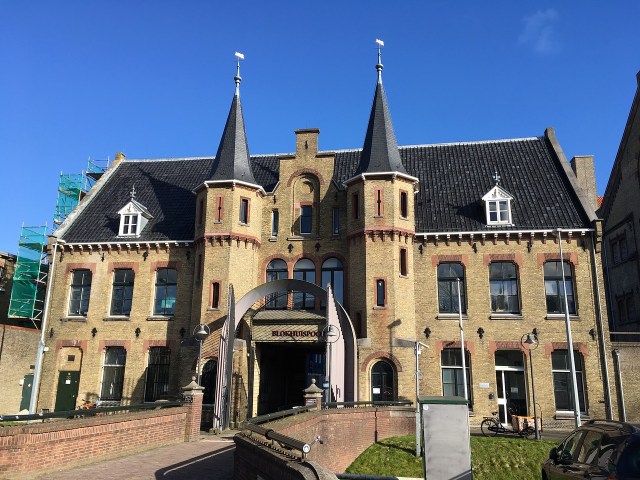
blokhuispoort-rechtenvrij-2660969_1280In this interview episode once again we have 2 people at the same time! We shine a spotlight on the hosts of the Tabletop Testing Nights in Leeuwarden, Friso Roolvink & Mitchel Bonnema. Besides facilitating playtesting tabletop games, they have more to do with games.


What work do you do?

Friso: I’m currently a producer at Grendel Games, a company that makes seriously entertaining games. My main job is managing schedules, budgets and resources. Managing resources is a really impersonal way of saying that every day I play a complex management boardgame called ‘who will work on which project and how do we make sure that every project meets its deadline’. Aside from playing around in excel sheets all day, I do my best to make sure everyone in the team is happy and works well together. So a lot of planning, puzzling, problem solving, communication and playing nice together. Who would have thought I’d like board games?

grendel games

Mitchel: I am a lecturer at the Hanze Applied University (Hogeschool) in Groningen, where I give courses in topics such as business, game design, graphic creation and agile development, but also do project and internship coaching. I basically have a hand in almost every element of creating a game related product from start to finish. I am also the co-owner of Critical Bit – a game and app development company based in Leeuwarden. I’m a game designer and graphics artist and work together with my two programmer colleagues. Whatever experience I gained in the last 7 years in owning my own game company, I can use as a teacher in front of the class.

critical bit

Any cool projects we should know about? 

Friso: Yes! The Board Game Jam! Together with 2 friends I’m organizing a yearly event where 20-30 aspiring and veteran board game developers come together to build board games in just a weekend. The time pressure combined with the fact that you are working in a team leads to very quick results. After just one day, most of the groups already have a playable game which can then be polished and tested during the remaining time. The end results are usually really impressive, especially regarding the time constraints. To give an impression of what is possible in three days: three of the games that we created during a Board Game Jam, were at a level of polish that we could pitch it with a publisher (which we have). The Board Game Jam is definitely a great way to learn about a lot of aspects of creating board games and always leaves me with a satisfied feeling.


Mitchel: With Critical Bit, one of our biggest projects is an app called Fighting Trainer – a free app where users can check out near 100 different moves of well known fighting styles. Fighting Trainer isn’t a big cash cow, but it’s the perfect project for us to tweak and look at user responses, where different little marketing ideas and app updates can be safely experimented with. Another project me and my colleagues are currently working on is in a very early stage, where we can already take some lessons from things we tried with Fighting Trainer. We released a game on Steam a few years back as well called Reign of Bullets.

In terms of personal projects however, being a teacher takes up quite a lot of my time, but I try to fit in a little side project here and there. I have some experiments for card games lying around, but never really gotten to take it seriously and getting to the stage of releasing something. At the moment I’m working on a little card game where players develop a culture and language together. You could call it a semi-role playing game, as people without role playing interest or experience are still given enough tools and are guided by the game to add something to the session, without things hopefully feeling forced. There’s still a lot of work to be done, but I feel there’s some interesting steps to take with this.


How is the Blokhuispoort as a location?

Friso: The Blokhuispoort is very charming. I mean, it looks like a castle, what more do you want!? It really sparks the imagination and there’s always a nice story somewhere in the building. Aside from that it is also practical. We usually play in a big room with a lot of large wooden tables that seem to come right out of aforementioned castle. Now that I come to think of it, we should definitely host a big medieval feast there some time. Combined with a board game night of course.

Mitchel: These past few years the Blokhuispoort underwent a lot of structural changes, a modernization of sorts as some parts of the building with literally crumbling to dust. This basically meant for me and my company (and for a lot of others in the building) that we had to move around from section to section as the building was being renovated. Quite hectic. With these new changes the old prison building is perfect for small scale companies like mine. But also for events and meetings such as the tabletop testing night. There’s something inspiring about the old aesthetic while having all the modern functionality of a normal office building.

blokhuispoort-rechtenvrij-2660969_1280

What affinity do you have with tabletop games?

Friso: I have been playing and creating tabletop games since before I can actually remember. Luckily my mother could tell me that I created my first board game when I was around 7 years old. It was probably also my mother who did most of the work and inspired me, but as far as I can remember, I really liked it and was very proud of it. Since then I’ve been doing it on and off as a hobby, both playing and creating. I’ve created about 15 prototypes in my whole life, of which 3 are multiple year projects which never got to see the light of day because of my inexperience. It’s really not that much compared to who I call ‘real board game designers’. That’s why I have a lot of respect for anyone actually being able to design, finish and get a game published, it takes a lot of perseverance.

Mitchel: Back in the day I used to think board games were old fashioned. This idea spawned from years of playing games like Monopoly and Rummikub. When the surge of new era board games like Michiavelli, Carcasonne, Catan and Dominion popped up, it renewed my interest. I started buying “heavier” games with each new purchase, ending up with games like Gloomhaven, Arkham Horror and Civilization: A New Dawn. This in turn got me to start playing tabletop RPG’s as well, like Dungeons and Dragons. It basically meant that, with each purchase I did, things got a bit more complicated and out there.

Here and there I started experimenting with ideas of my own as well. It would be nice to release a board- or cardgame at some point, but for the most part I’m more interested in the back and forth that comes from generating these gameplay ideas than the actual production of games themselves. I found out that I like the fact that I can discuss, give feedback on and critique what game designs are being experimented with, including my own, which is why me and Friso Roolvink wanted to set up tabletop testing nights in Leeuwarden. It gives a chance for people to show off their own work, where ideas often come from very different places than my own. This in turn helps me evaluate my own ideas and findings.

What prior work experiences is really useful in your current job? What helps you now with game design?

Friso: A lot of what I did during my life revolves around games. Playing them was probably the most prominent activity, but in light of my current job and hobbies, let’s call it extensive research. I originally started out as a game designer (of digital games) which I have been combining with project management, teaching game design and running a business for the first 5 years of my career. Obviously the skills I developed then are very applicable to board game design as well. Now that I barely do any game design as I focus on my job as a producer, designing board games is more and more a creative outlet for me. It calms the creation craving monkey in me. What really helps me now to keep learning and developing my game design skills is talking with and learning from the people that attend the Tabletop Testing Nights and Board Game Jams.

Mitchel: Working as a teacher has me evaluating my own words all the time. Who am I to say students should do something differently when I do things wrong as well? This really got me to look at my own validity, which helps in motivating myself. Other than that, my own company of course gave me a lot of good and bad parts of all things considered in game design. Unresponsive clients, strict deadlines, unclear goals, but also on the flipside great cooperation, getting to know new tools and systems, and delivering on what you promised after months of work.

fukr6149

What games (digital and tabletop) do you really like? 

Friso: There are so many… Slay the Spire is one of my favorites since it is a very good roguelite with card based combat and deck building. So very much inspired by analogue games, but makes perfect use of the possibility of digital games. The latest Magic the Gathering digital adaptation is very good as well. Mystic Vale is one of my favorite analogue games because of its card crafting mechanic and polished feel and I really like the whole Civilization franchise because it’s basically a digital boardgame of epic proportions.

Mitchel: I don’t play a whole lot of competitive digital games anymore. In most cases I find that I just don’t have the time to keep up my skills enough to enjoy myself online. I much prefer single player or cooperative experience instead. Story based games like The Last of Us or God of War, or pick up and play games like Borderlands or Earth Defence Force are what I much rather spend time on. That interest sort of bled over to my boardgame preferences as well, where I now much rather play a game for its theme or shared goal rather than being victorious over others. As mentioned before, Gloomhaven – for me personally the perfect blend of exploration, cooperation and tactical choices having to be made. Or Arkham Horror the card game, where the deck you choose to build is part of what your character is like. The weapons, allies, skills and abilities you put in that deck defy how you interact with the challenges throughout a campaign. I find the emotional trigger to be interesting, where it isn’t just about winning and feeling victorious, but that you actually made a change or influenced something.


What advice would you give a game designer or someone aspiring to work with games?

Friso: You can get the best advice, buy the best tools available, read every book on game design, get inspiration from other games and people, but despite how much fun all of this can be, none of it will result in seeing your own game being played by other people. So stop wasting time reading interviews and, to quote a famous LaBeouf, ‘JUST DO IT!’.

Mitchel: Keep in mind player control. Where in a digital game you press a button and all things happen as a reaction, with tabletop games it’s the player who has to place the tile, give coins or turn over a card, and it’s the player who has to calculate the amounts, has to move the units by hand and has to keep track of scoring. Don’t forget about how the player influences the game. Something might seem very different on paper compared to when you’re actually playing it. Getting your hands on 15 abilities can be fun, but having to hold all of them in your hands less so. What does this do to the game’s feel? Think about the logistics of all the actions as well as the effect on the game itself. My solution to this is to basically “fail faster”. Build something playable from your idea as soon as you can. If it doesn’t feel right when placing those cards or moving those units, change things. The earlier you start, the easier it’ll be to change things.

Thanks for your time guys!


Interview by Arjan van Houwelingen


Leeuwarden – Tabletop Testing Night – 19 July 2019

blokhuispoort-rechtenvrij-2660969_1280De zomervakantie komt eraan, we gaan nog een keer speltesten voordat het zover is! Dit is het laatste event voordat we een pauze nemen en in september weer zullen gaan speltesten.  Hieronder meer informatie en kun je je aanmelden voor 19 juli. Overigens zullen we in de komende weken nog wat blogs gepost worden, verwacht nog wat content…

The summer break is about to start, we will have a final playtesting event and then have a short break. In September we return with playtesting event. Below more information about the final event on 19 July and how to sign up. We will by the way offer some more content during the next weeks…


Join the ‘Spellenmaakgilde’ playtesting night in Leeuwarden! On Friday the 19th of July we will have another playtesting event in the Blokhuispoort, Leeuwarden.
Do you love board / card / dice games? Like to play new concepts? Join us for a tabletop testing night! Or have you made a game and you want to have it tested? Bring it along to let people play it and get feedback!

We have around 25 free places. Please register so we know how many people are coming. The location opens at 18.00 for people who want to join for takeaway food. Around 19:00 we will start playing. There will be enough opportunities to hop in or out at any time during the evening. We close shop around 23.00+ hours.

Want to join? All you need to do is:

Sign up here
– Bring some drinks, booze, food or snacks
– If you have a game prototype, bring that
– Come over to the Blokhuispoort in Leeuwarden

About the location:
The Blokhuispoort is the old prison building in the centre of Leeuwarden (address: Blokhuisplein 40). The Tabletop Testing Night will take place in the ‘Boekbinderij’ room. This room can be found by entering the Blokhuispoort and on the first open square, turn right and go into the building into a hallway. The room is at the end of this hallway to the right.

We hope to see you then. Come over and play! Please spread the word (and this form) to anyone you think that might be also interested. Follow us on Twitter: @spelmaakgilde. Like us on Facebook and you can share the event there!

Thank you!

For any inquiries or questions about the Leeuwarden Testing Nights, contact Mitchel Bonnema or Friso Roolvink.

Interview Indietopia: Mendel Bouman & Merijn de Boer

logoIn this edition of industry interviews we have not one but two guests! As the ‘Spellenmaakgilde’ (aka Game Design Guild) we are sponsored by Indietopia, who offers their space for playtesting each month. To shine a spotlight on them, we approached the founder Mendel Bouman and the director of their Accelerator program Merijn de Boer.

What is Indietopia about?

Mendel: Indietopia is a foundation that strives to help build, support, and grow the Northern Dutch Game industry. It features a co-working space, Accelerator program with micro funding, and an in-house publisher.

Merijn: Indietopia is all about bringing like-minded developers and aspiring designers together. Our aim is to be the ‘go to’ networking hub for gamers and enthusiasts alike. We aim to create a safe environment where creativity can roam free without forgetting about the business side of things.

What is your role at Indietopia?

Mendel: I’m the founder of Indietopia, and am currently active as its informal ambassador, and member of the board at the Foundation.

Merijn: I am the Director of operations at the Indietopia Accelerator. This program acts as a launching pad for developers and we support them with seminars, networking, office space and, as a consequence, the tools to create great games.

Could you tell a bit about your prior work experiences?

Mendel: I started in ICT in ’98, worked as a project management assistant at Bombardier Transportation for 5, after which I decided to combine my hobbies -building computers, gaming, programming, writing, making music, drawing- and pursue these professionally. I ended up working for Wunder Wall (a pre-Wii, Wii for 50 simultaneous players) where I developed Game Maker games for the Wunder Wall. After that I joined Electronic Arts for Harry Potter and the Order of the Phoenix and Fifa 08 (or 07, or 09, can’t remember 😉 ). Then I joined U-TRAX in Utrecht where I worked on the Dutch versions of many major PS3 titles, which I’m still no allowed to talk about, but you likely played them if you have a PS3. I was based at Ubisoft for a short while during this period. After U-TRAX, I founded Emagica, my company that was at the time providing aid in programming, writing, storytelling, design, and more, to any game developer in need of an extra hand.

After moving to Groningen, I noticed a lack of game industry, or rather non-visible game industry and a strong lack in coherence and support, and after several years of networking, talking, planning, I founded Indietopia, which opened its doors on April 1st 2014. It’s been a rollercoaster ever since.

Merijn: I previously worked at several internet companies and noticed that the bigger the company, the more the need to utilize people like batteries – specifically when dealing with competitive upcoming markets. Having learned the value of people, specifically happy employees, I can now value my team and demonstrate on a daily basis that they are the core of our business and we hold them dearest.

Before joining Indietopia I did content acquisition at Softonic International, had my own companies in translation and text design and managed several innovation projects for foundations and smaller enterprises. I now combine my work at Indietopia with my own company: Human Approved Productions. We have one (gamified) app (CityBuddy), one digital game and two card games in development. One being The Epic Story of Blank & Blank.

What affinity do you have with tabletop games?

Mendel: I love complex tabletop games. I have been playing pen and paper roleplaying games for 32 years (The Dark Eye, MERP, Rolemaster, Paranoia, Vampire the Masquerade, Dungeons and Dragons 3.5) and still play them. I’m a Tragic the Garnering… I mean Magic the Gathering player since ’94. I love board games. Favourites are Roborally, Dominion, Pandemic (all editions and versions), Ticket to Ride, Eight Minute Empire, Carcassonne, Colonists of Catan, and even good old fashioned Risk and Scrabble. I love tabletop RPGs for the social aspect and its creativity and appeal to your imagination. I love board games for their challenges. Can I win? What different strategies can I try? Can I beat this really good player?

Merijn: I love tabletop games; both playing and designing them. Gathering with friends in a live tabletop setting is so much different than what we do online when gaming online. I think that personal contact, the laughs and fun around a table and the idea of questing with pen and paper is simply amazing. The talks we are having with several contemporary board game publishers are very inspiring and give off a clear signal: these games are very much alive and bring people together in ways digital games cannot.

What games (digital and tabletop) do you really like? 

Mendel: Top favourites would be Vampire the Masquerade, Roborally and pandemic. Digitally, I really love roleplaying games, in particular ones where you can fully customise and create your own characters and go about your unique adventures with multiple storylines and endings. I lately find myself not having enough time to play these (which is something I sorely need to address). Racing sim games are also a guilty pleasure of mine, I love to race, both virtual and actual. Last but not least there’s Singstar, Dance Central and Just Dance that just really tick my boxes. Singing and dancing is good for the soul. Doing this with friends in your own home is even better.

Merijn: Call me old-fashioned but I love playing Barricade (Malefix), Snakes and ladders (with my younger nieces) as well as the older magnate games like Hotels. I also love games that seem like card games yet are played on a table. There is one rather obscure game called ‘Vluchtweg‘ (Escape route) where players lay cards with routes in order to escape a prison in the center of your table. My own game The Epic Story of Blank & Blank (now being worked on) is also a game that we tied to the table by including boards with a special function. I love and play a lot of tabletop games and will probably continue to do so for the rest of my life.

Any cool projects we should know about?

Many 🙂 With the Accelerator program we have several serious game projects in development and several entertainment ones:

  • Budget buddy – a serious game that helps mentally challenged people in budgeting their savings and income.
  • Pedal Pushers – a serious game that re-acquaints cyclists with bicycle safety, and traffic laws, in a playful manner.
  • Terra Gardens – A Zen gardening experience for de-stressing. Expected Q4 2019.
  • Crimson Resonance – A Twin Stick shoot ‘em up with a unique ‘Suck and shoot’ game mechanic with beautiful combination of audio and visuals. They recently won an award at Reboot Develop.
  • Fringe Planet – A voxel survival game that mixes up Dwarf Fortress, Factorio, Minecraft, and HP Lovecraft.
  • Pilot Perils –  Excalisoft is developing a mobile cave exploration game in a Steampunk ‘helicopter’. This side-scrolling flying action-adventure game has great visuals and enticing puzzles. Out on iPhone, soon on Android, and Q4 2019/Q1 2020 on Nintendo Switch.

At the publisher:

  • Arctic Infiltration, a first person vehicular underwater game, featuring rogue AI, stealth, tactics, rockets and combat.
  • Super Secret project: a first-person shooter with a twist. We cannot say more about this one, except that we are very excited about it.

Developed at the Indietopia premises:

  • Mecha Maddox, a Twin Stick shoot-em up where you fight gigantic monsters from the inside out, based on New York Times best-selling author Maddox (author of The Alphabet of Manliness and Fuck Whales).
  • Æther Void, a Pen and Paper roleplaying game where you can play (among many other races and archetypes) an Orc on Fantasy world Far Haven, a Vampire scientist on Steampunk planet Victoria, or an undercover agent on Sci Fi planet Sleeping Dragon. Explore these worlds and find your way across the stars to the other worlds.

What advice would you give a game designer or someone aspiring to work with games?

Mendel: Learn all about business development and marketing that you can. Or find a partner that wants to do this so you can focus on game design. Together you might just conquer the world.

Merijn: Designers are often told to ‘kill their darlings’. I advise designers to spread their darlings as much as possible. If an ambition is simply too large, divide the elements over different puzzles or games and you’ll notice some simple ideas work on their own. Like with good writers; your first story is never one that should cover all of your experiences or the fictional experiences you have lined up for your readers. Start small and never stop thinking big.

Gentlemen thank you for your time!

1500x500

Interview by Arjan van Houwelingen